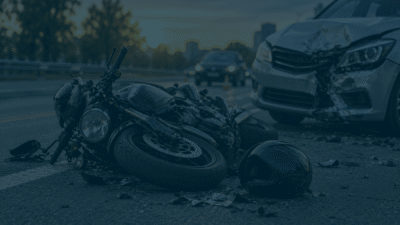
A rear-end collision can happen in seconds. You may be stopped at a red light, slowing for traffic, or driving normally when another vehicle strikes the back of your car. After the accident, one of the first things you may wonder is: Which insurance company should I contact?
La respuesta puede depender de las circunstancias del siniestro, de las pólizas de seguro implicadas y de quién se determine que es responsable. Para los conductores de Wisconsin, es importante entender cómo funciona un sistema de seguro basado en la culpa y qué pasos debe dar tras un accidente por alcance.
In this guide, MacGillis Law Group explains what to do after being rear-ended, which insurer you may need to contact, when the rear driver may not be responsible, and how an insurance claim can work after an accident.
Responsible for a Rear-End Accident
En muchas colisiones por alcance, se considera responsable del siniestro al conductor que golpea al vehículo que va delante. Los conductores tienen el deber de conducir de forma segura, mantener una distancia de seguridad adecuada y dejar suficiente espacio para detenerse cuando cambie el tráfico.
Por ejemplo, si un conductor circula demasiado cerca y no puede detenerse cuando el vehículo de delante reduce la velocidad, el conductor que va detrás puede ser considerado responsable de la colisión resultante.
However, being the vehicle behind does not automatically establish fault in every accident. The circumstances surrounding the crash matter, and responsibility may be disputed or shared depending on what happened.
¿Con qué aseguradora debe ponerse en contacto después de que le golpeen por detrás?
Si otro conductor golpea su vehículo por detrás, hay varios pasos relacionados con el seguro que puede necesitar seguir.
1. Notifique a su propia compañía de seguros
Even when you did nothing wrong, you should generally notify your own insurance provider about the collision.
Your policy may require you to report an accident within a particular period. Promptly notifying your insurer can also help preserve your coverage and allow the company to explain what benefits may be available under your policy.
Reporting the accident does not necessarily mean you are accepting responsibility for causing it.
2. Póngase en contacto con la aseguradora del otro conductor
Wisconsin uses an at-fault insurance system. When another driver is determined to have caused the accident, that driver’s liability insurance may be responsible for covered losses resulting from the collision.
You may therefore need to make a claim with the at-fault driver’s insurance company. This is generally referred to as a third-party insurance claim.
Depending on the circumstances, compensation may involve losses such as:
- Costes de reparación o sustitución del vehículo
- Gastos médicos
- Otras pérdidas económicas relacionadas con el accidente
- Daños específicos derivados de las lesiones
If you’ve sustained significant injuries, a car accident lawyer in Milwaukee can assist you in understanding the claims process and your legal options.
3. Su propia póliza de seguro podría ofrecer protección adicional.
Su cobertura de seguro personal también puede ser aplicable tras una colisión por alcance. Las prestaciones disponibles dependerán de la póliza específica que haya contratado.
Possible coverage can include:
Collision Coverage:
This coverage may help pay for repairs to your vehicle after a covered collision, subject to the terms and deductible in your policy. Your insurer may later seek reimbursement from the responsible driver’s insurer.
Medical Payments Coverage:
Medical payments coverage can assist with specific medical expenses for you or your passengers after an accident, depending on your policy.
Uninsured or Underinsured Motorist Coverage:
This type of coverage offers protection when the at-fault driver is uninsured, underinsured, or cannot be identified, such as in hit-and-run incidents.
Dado que las pólizas de seguro difieren, es importante revisar su cobertura real antes de suponer que una prestación concreta se aplica.
When Might the Rear Driver Not Be Responsible?
Aunque con frecuencia se considera responsable al conductor que golpea a otro vehículo por detrás, los hechos del accidente pueden llevar a una conclusión diferente.
Examples may include situations where:
- El vehículo de delante dio marcha atrás de repente e impactó contra el otro vehículo.
- El conductor de delante realizó un frenazo intencionado.
- Un vehículo se incorporó al carril y se detuvo de forma inesperada.
- El vehículo de delante tenía las luces de freno defectuosas o no funcionaban.
- La colisión se produjo como parte de una reacción en cadena o de un accidente con varios vehículos.
Estas circunstancias pueden complicar la determinación de la responsabilidad. Las pruebas del lugar del accidente, los daños en los vehículos, las fotografías, las declaraciones de testigos, los informes policiales y otra información pueden cobrar importancia cuando se discute la culpa.
What Steps Should You Take Right After a Rear-End Collision?
After a collision, taking practical steps can help preserve important information.
Move to a Safe Location When Possible
If the vehicles can be moved safely and doing so is appropriate, get out of the flow of traffic and move to a safer location.
Report the Accident
Depending on the circumstances, you may need to contact law enforcement and report the collision. Follow the applicable requirements and obtain a copy of the accident report when available.
Exchange Insurance and Contact Information
Collect the other driver’s:
- Name
- Phone number
- Driver’s license information
- Insurance company and policy information
- Vehicle information
Take Photographs
Photograph the vehicles, visible damage, surrounding roadway, traffic conditions, signs, and other details that may help explain how the accident occurred.
Seek Medical Attention for Injuries
Some injuries may not be immediately obvious after a collision. If you are experiencing pain or other symptoms, seek appropriate medical attention and keep records of your treatment.
Notify Your Insurance Company
Contact your insurer as soon as reasonably possible and provide the information requested about the accident.
What should you do if the other driver’s insurance company contacts you?
After an accident, the insurance company of the other driver may reach out to gather information about the incident or discuss your claim.
Be careful when providing statements or agreeing to a settlement, particularly if you have been injured or the full extent of your losses is not yet clear.
If the accident involves significant injuries, disputed fault, or complicated insurance issues, speaking with a personal injury attorney in Milwaukee may help you understand your legal rights before making important decisions about your claim.
Injured in a Rear-End Crash in Wisconsin?
A rear-end accident can create more than vehicle repair problems. You may also have medical expenses, time away from work, insurance communications, and questions about who should pay for your losses.
MacGillis Law Group can help you understand the legal options that may be available after a Wisconsin rear-end collision. If you or a loved one has been injured, you can discuss your circumstances with the firm and learn more about the claims process.
The firm offers a free case review, and you do not pay attorney fees unless compensation is recovered on your behalf.
Contact MacGillis Law Group today to discuss your case.
Frequently Asked Questions
Whose insurance should I contact if another driver rear-ends me?
You should generally notify your own insurance company about the accident and may also need to pursue a claim through the insurance company representing the driver responsible for the collision.
Is the driver who hits me from behind always responsible?
No. The rear driver is frequently considered responsible because drivers are expected to maintain a safe following distance and be able to stop safely. However, responsibility can depend on the specific facts of the accident.
Should I report the accident to my own insurance company if I was not at fault?
Generally, yes. Your insurance policy may require you to notify your insurer after an accident, even when another driver caused the collision. Reporting the accident does not by itself mean that you are admitting fault.
Can my own insurance cover damage after a rear-end collision?
It may, depending on your policy. For example, collision coverage can potentially help with vehicle damage, while other coverage may apply to medical expenses or accidents involving uninsured or underinsured drivers.
What if the other driver does not have enough insurance?
Your own uninsured or underinsured motorist coverage may protect you in certain circumstances, depending on the terms of your policy and the facts of the accident.
How long do I have to file a personal injury claim in Wisconsin?
The source material states that personal injury claims in Wisconsin generally must be filed within three years of the accident. Because deadlines can depend on the specific circumstances of a case, it is important to address a potential claim promptly and speak with a qualified personal injury attorney in Milwaukee if you have been injured.
Do I need a lawyer after a rear-end accident?
Not every rear-end collision requires an attorney. However, legal guidance may be useful when there are serious injuries, disputed responsibility, significant losses, or disagreements with an insurance company about your claim.